
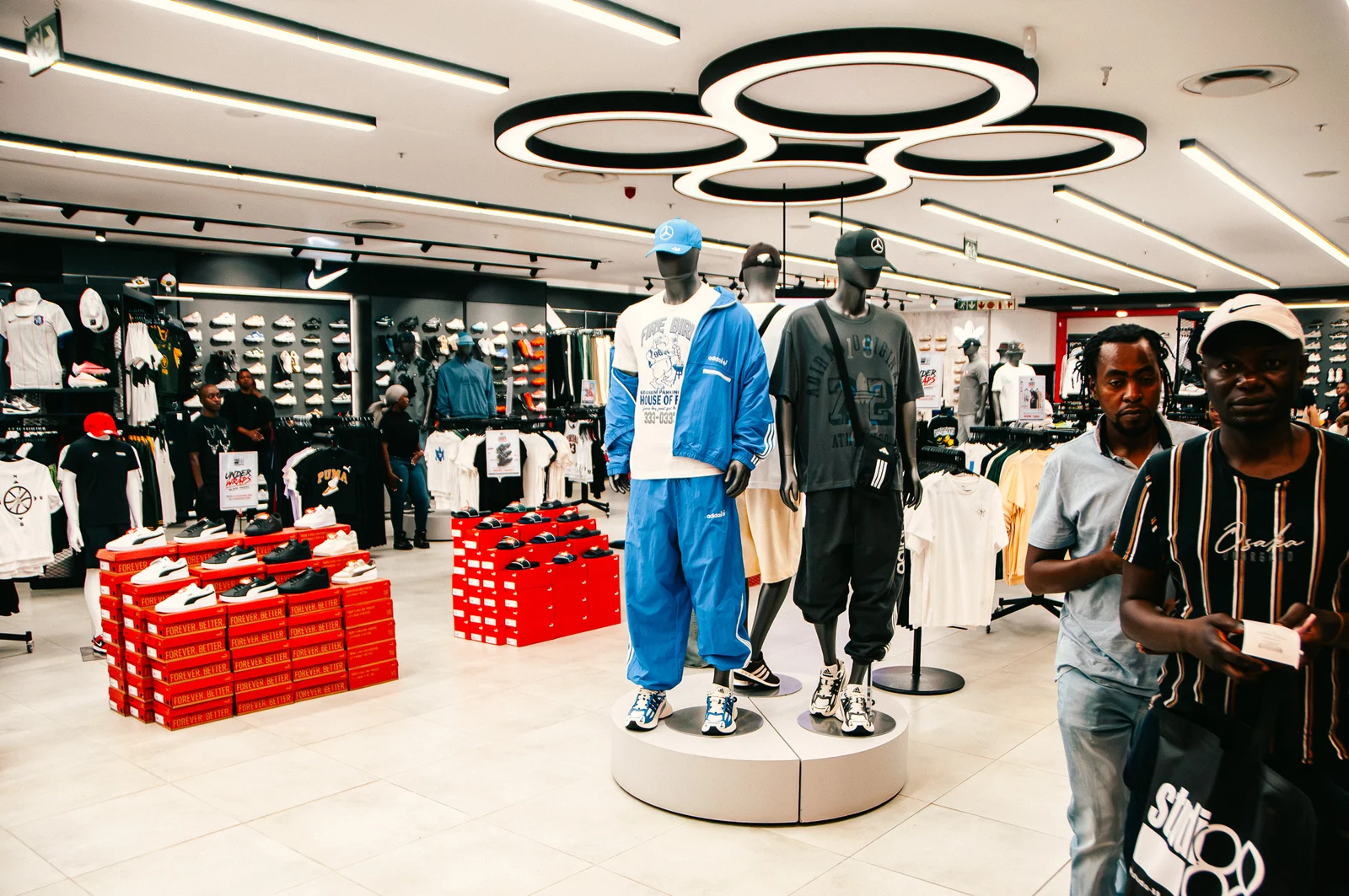
Everyday retail changes the display
You invest heavily in the stores that matter most. The location, shopfitting, merchandise and visual merchandising have all been carefully considered. Then everyday retail happens: a hand gets damaged, a base loosens, a mannequin gets scratched or another one ends up in the storeroom.
Everyone can see that something needs attention, but fixing it becomes a project. A budget needs approval, damaged units need to be counted, quotes need to be gathered and stores need to be coordinated. While all of that waits to happen, the store keeps trading.
The delay is often harder than spotting the damage
DEC has seen this first-hand. In one Gauteng retail audit, the team inspected 15 stores and identified 45 mannequins requiring maintenance. In some locations the problem was small; in others, almost the entire mannequin estate needed attention.
The difficult part was not identifying the problem. It was getting the maintenance project to happen quickly enough. Retail management teams have larger priorities competing for attention: new stores, stock, people, sales targets, budgets and the next trading period. Mannequin maintenance naturally moves down the list.
The customer does not know that a repair project is waiting for approval. They see the store as it is today.
Presentation is part of the selling environment
A mannequin is more than a piece of shop equipment. It helps customers interpret the merchandise, imagine themselves wearing it and form an attitude toward the display.
Retail research has found a positive relationship between shoppers’ attitude toward a display and their purchase intention. The mannequin’s type, styling and suitability for the brand also influence how customers respond. The original DEC campaign references Hannah Shealy’s 2016 research at the University of South Carolina.
When a retailer invests in a great store, allowing the mannequins to fall gradually below that standard creates an unnecessary weak point in the presentation.
Start SHOWMAN where presentation matters most
SHOWMAN is not designed to replace every mannequin maintenance project across an entire retail group. It can begin with the stores where presentation matters most: flagship stores, premium locations and highest-value doors.
DEC and the retailer agree what showroom condition means for those stores. That shared standard gives store teams a clear point at which to report wear or damage and gives DEC a clear condition to help maintain.
Agree, report, swap and restore
First, DEC and the retailer agree the showroom standard the mannequins should remain in. Second, the store team reports when a mannequin drops below that standard.
Third, DEC swaps, collects and restores the mannequin while the store gets back to presenting the merchandise properly. The retailer does not need to start a new maintenance project every time or leave a damaged mannequin waiting for months while everybody already knows it needs attention.
Protect the stores you have already invested in
DEC recently walked through Eastgate stores where the mannequin choice is clearly part of each store concept. Pose, finish and styling help create the image. That is exactly the standard worth protecting.
The familiar cycle is a great new store, followed by wear and damage, a wait for a maintenance project, restoration and then another repeat. SHOWMAN creates a simpler cycle: agree the standard, monitor it, swap when necessary, restore the mannequin and maintain the standard.
Your management team can concentrate on running the business while DEC helps keep the mannequins showroom-ready. Talk to the team about defining the right SHOWMAN arrangement for the stores where the display standard matters most.
Original DEC campaigns
This web edition brings DEC’s email advice together with useful product links. The original emails remain in the archive; dated promotions reflect the offer at the time.