
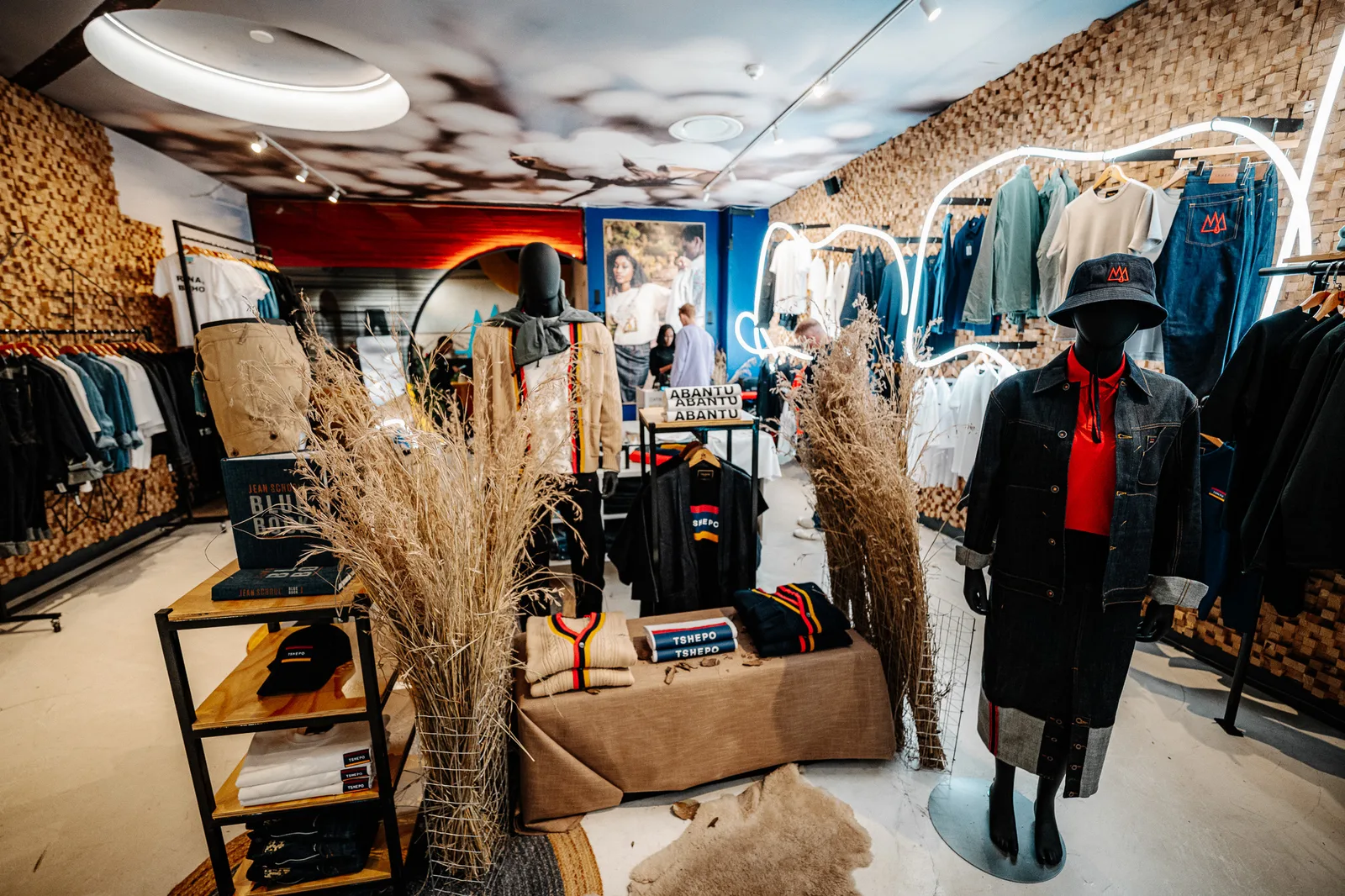
Put the customer inside your brand world
A physical store can create context. It can turn individual products into a complete look, a lifestyle and an idea of who the customer could become wearing them. That is a powerful role when shoppers are comparing more choices and looking closely at value.
The display should make the important merchandise easy to notice and understand. The mannequin supports the story while the merchandise remains the star.
Your store should do more than hold stock
Stand where a customer first enters the store and notice where the eye goes. Ask what story the display communicates, which product looks important and whether a shopper can imagine wearing it.
A strong retail display answers those questions without needing a salesperson to explain the idea. It gives the customer a clear place to begin.
A rail shows what is available. A mannequin shows what is possible
A rail can show ten shirts. A mannequin can show which shirt works with which trousers, jacket and shoes, and how those pieces come together as an outfit.
The customer is no longer looking only at stock. They are looking at an idea, a complete outfit, a lifestyle and a possibility. That is when the mannequin begins earning its space on the floor.
Give the mannequin three clear jobs
First, create a focal point. Give the customer's eye somewhere to land and help an important collection stand out from everything competing for attention around it.
Second, put the merchandise into context. Show how pieces work together, how they fit and how the customer might wear them. Third, support the world of the brand. Pose, styling, finish and positioning should reinforce the collection's attitude, whether it is premium, casual, active, youthful, refined or something entirely its own.
The mannequin should never overpower the merchandise. Its job is to make the merchandise easier to understand.
Try the five-second test
Stand at the entrance and look at the display as if you have never seen it before. In five seconds, can you tell which collection matters most, what kind of customer it is for, how the pieces work together and what the brand wants you to feel?
If the answer is not immediately clear, the merchandise may not be the problem. The display may simply need to tell the story better.
Start with the job, not a mannequin name
You do not need to arrive knowing exactly which mannequin you want. Tell DEC what you are selling, where the display will sit, what the customer should notice and what attitude the collection needs to communicate.
DEC can help you work through the body type, pose, finish and base that best support that job. The goal is not to put another mannequin on the floor. It is to make the merchandise work harder once it is there.
Original DEC campaign
This web edition brings DEC’s email advice together with useful product links. The original emails remain in the archive; dated promotions reflect the offer at the time.